


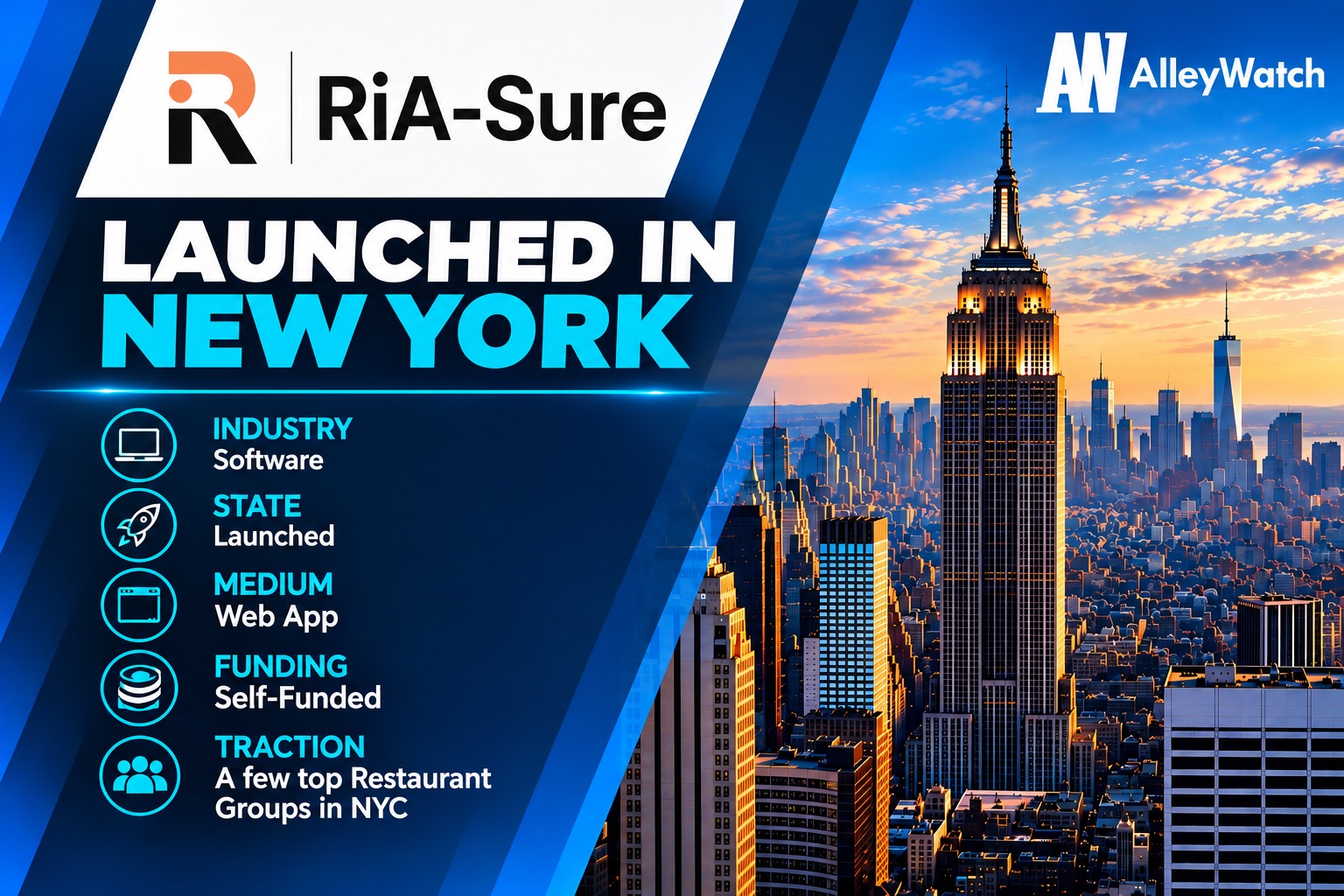
Food safety codes ask restaurant teams to meet dozens of requirements at every station and on every shift, yet most operators learn how they performed only when an inspector arrives unannounced. The gap persists because compliance competes with staffing shortfalls, late deliveries, and equipment failures, and the records that prove a problem got fixed usually sit in separate logs, spreadsheets, and message threads. RiA-Sure closes that gap with a browser-based platform that builds station-by-station checklists from each location’s local health code, so a kitchen follows the rules its own inspector enforces. Teams record temperatures, assign corrective actions, and upload official inspection reports, which the platform’s AI reads to extract each violation and open a work order, while an AI Compliance Director points managers to the issues that need attention first. Owners of multi-location groups track what is open, who owns it, what is overdue, and whether documented proof of closure exists, all from the Director’s Dashboard. The founder, a former New York City Health Department inspector, built the checks around the methods inspectors use, and the platform now maps 16 jurisdictions across eight states in English and Spanish.
AlleyWatch sat down with RiA-Sure Founder Andy Jean-Jacques to learn more about the business, why he built it in New York, what comes next as it expands beyond restaurants into hotels, hospitals, cafeterias, and schools, and much, much more…
Tell us about the product or service that RiA-Sure offers.
RiA-Sure is a restaurant compliance platform built to make food-safety and inspection readiness part of daily operations, rather than a scramble before an inspection.
RiA-Sure is jurisdiction-aware, so its workflows can reflect the specific health-code requirements, inspection priorities, and operating realities that apply to each restaurant’s location.
Restaurant teams can use it for station-specific checks, temperature logs, inspection findings, corrective actions, documentation, and follow-through. Its AI Compliance Director helps management focus on the issues that need attention most. The Director’s Dashboard gives owners and multi-location leaders one view of readiness across locations: what is open, who owns it, what is overdue, and whether there is documented proof of closure.
The goal is simple: help restaurant operators turn compliance from disconnected paperwork into visible, accountable operational work.
What inspired the start of RiA-Sure?
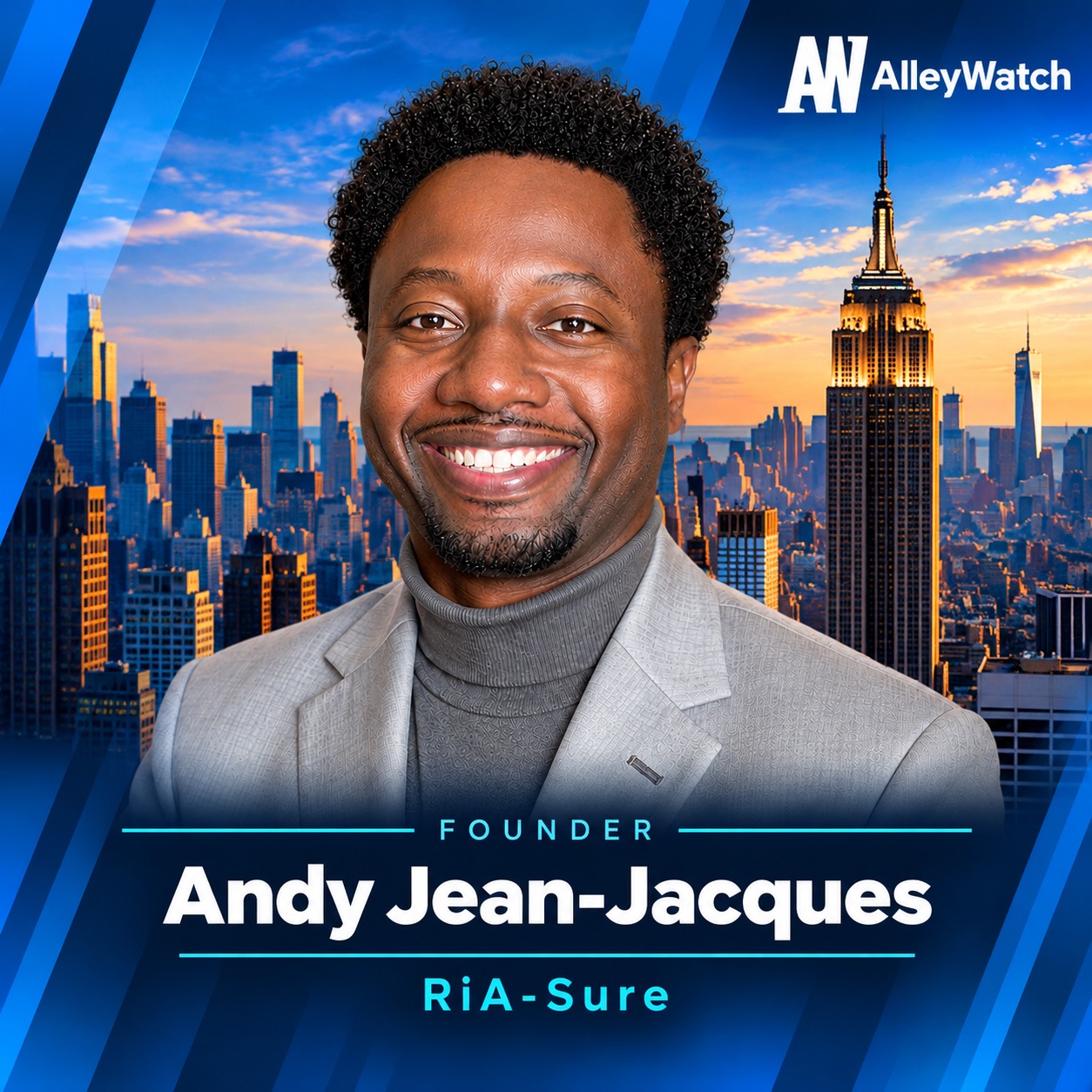 RiA-Sure came from firsthand experience. Before founding the company, I worked as a New York City Health Department inspector and saw a recurring problem: many operators cared deeply about safety and did real work to improve, but their logs, inspection history, corrective actions, and follow-up lived in separate places. That creates a gap between knowing what needs to be fixed and being able to prove it was fixed, consistently, across every shift and location. I started RiA-Sure to give restaurant teams a practical system for closing that gap before it becomes an inspection, guest-trust, or operational problem.
How is it different?
Unlike generic digital checklist tools, RiA-Sure is a location-aware compliance system that adapts to local food safety regulations and each kitchen’s layout, equipment, and workflow. And in New York City, we offer a white-glove service where my team comes on-site to configure the app and help restaurants get started.
It’s not trying to replace operators’ judgment. We are giving them a clearer system to act on it.
What market does RiA-Sure target and how big is it?
RiA-Sure begins with restaurants and hospitality operators that need to manage food-safety execution across one or multiple locations: independent restaurant groups, growing multi-unit operators, hotels, commissaries, and food-service organizations.
New York is an especially strong starting point. It is a dense, demanding operating environment where the Health Department inspects roughly 29,000 restaurants. As we expand, the opportunity extends to the broader restaurant-management and food-safety technology markets, where operators are increasingly looking for specialized systems that improve accountability, consistency, and decision-making.
What is the business model?
RiA-Sure operates on a subscription model, with a recurring fee per location and volume pricing for restaurant groups, providing ongoing access to tools that support daily food safety and compliance.
How are you preparing for a potential economic slowdown?
We are focused on strengthening RiA-Sure’s core value first, then diversifying carefully who it serves rather than adding features for their own sake. That means staying disciplined about monthly costs and the number of locations needed to cover them, making the product’s value measurable so customers continue to see a reason to keep it, and expanding thoughtfully into related food-service settings such as hotels and cafeterias.
Consulting and training can also support revenue and help operators implement stronger routines, without requiring the company to overextend.
What are the milestones that you plan to achieve within six months?
Over the next six months, my focus is to help food service teams establish consistent food safety routines and understand their local rules through the app’s jurisdiction-aware guidance, while growing awareness beyond restaurants to hotels, hospitals, cafeterias, and schools.
What is the one piece of startup advice that you never got?
I wish someone had warned me how much work it takes to develop an app that actually works well. This was my first time building an app myself, and I underestimated the time and effort needed to make it truly functional—not simply rushed to launch.
If you could be put in touch with anyone in the New York community who would it be and why?
Mayor Zohran Mamdani. Food safety is vital to New York’s public health, from school cafeterias and public food-service settings to the city’s restaurants.
I would welcome an introduction to the Mayor or the team overseeing school food and public cafeterias to explore how RiA-Sure could support consistent food-safety practices citywide. The app can help food-service teams understand the rules that apply to them, organize daily practices, and follow through on fixes so everyone who eats in New York is better protected.
It would also welcome the chance to bring leading hospitality operators into that conversation—people such as Danny Meyer—because the strongest solutions should reflect both the public-interest perspective and the realities of running a busy food-service operation.
Why did you launch in New York?
New York’s busy, diverse restaurant scene makes it the natural place to launch. High-volume, complex kitchens make daily food-safety routines critical, and my inspector background gave me firsthand knowledge of the city’s rigorous requirements. I built RiA-Sure here to help teams put those rules into practice every day.
What’s your favorite fall destination in and around the city?
My favorite fall destination is the Brooklyn Botanic Garden. My wife and I love bringing our kids to see the leaves change and enjoy time together outdoors.