


Window coverings are a $34.5B global market, according to Grand View Research, yet the shade on most windows is a fixed decision: choose a fabric, install it, and live with it until the whole unit is replaced. Motorization has added convenience without adding flexibility, arriving mostly as a custom upgrade sold through in-home appointments and quotes, even as smart home adoption pushes automated coverings to grow faster than the category as a whole. The Shadery approaches the problem by splitting the shade in two: a motorized console that stays on the window and a made-to-order fabric panel that hangs from it and can be swapped out. A homeowner who wants a new look buys fabric, starting at $349, instead of a complete shade that starts at $699. The console runs on a rechargeable battery that charges over USB-C, so installation needs no wiring or electrician, and it connects to Apple Home, Google Home, and Amazon Alexa through Matter without a hub or subscription. With 11 solids and nine prints at launch, new prints each season, and artist and designer collaborations arriving in 2027, the company is building a business around the fabric customers come back to buy.
AlleyWatch sat down with The Shadery Founder and CEO Matt Weiler to learn more about the business, the company’s launch its future plans, recent funding round, and much, much more…
Who were your investors and how much did you raise?
We raised a $3M Seed round led by Lerer Hippeau, with participation from Corazon Capital, Amity Supply, SuperAngel.Fund, and OpenSky Ventures.
Tell us about the product or service that The Shaderyn offers.
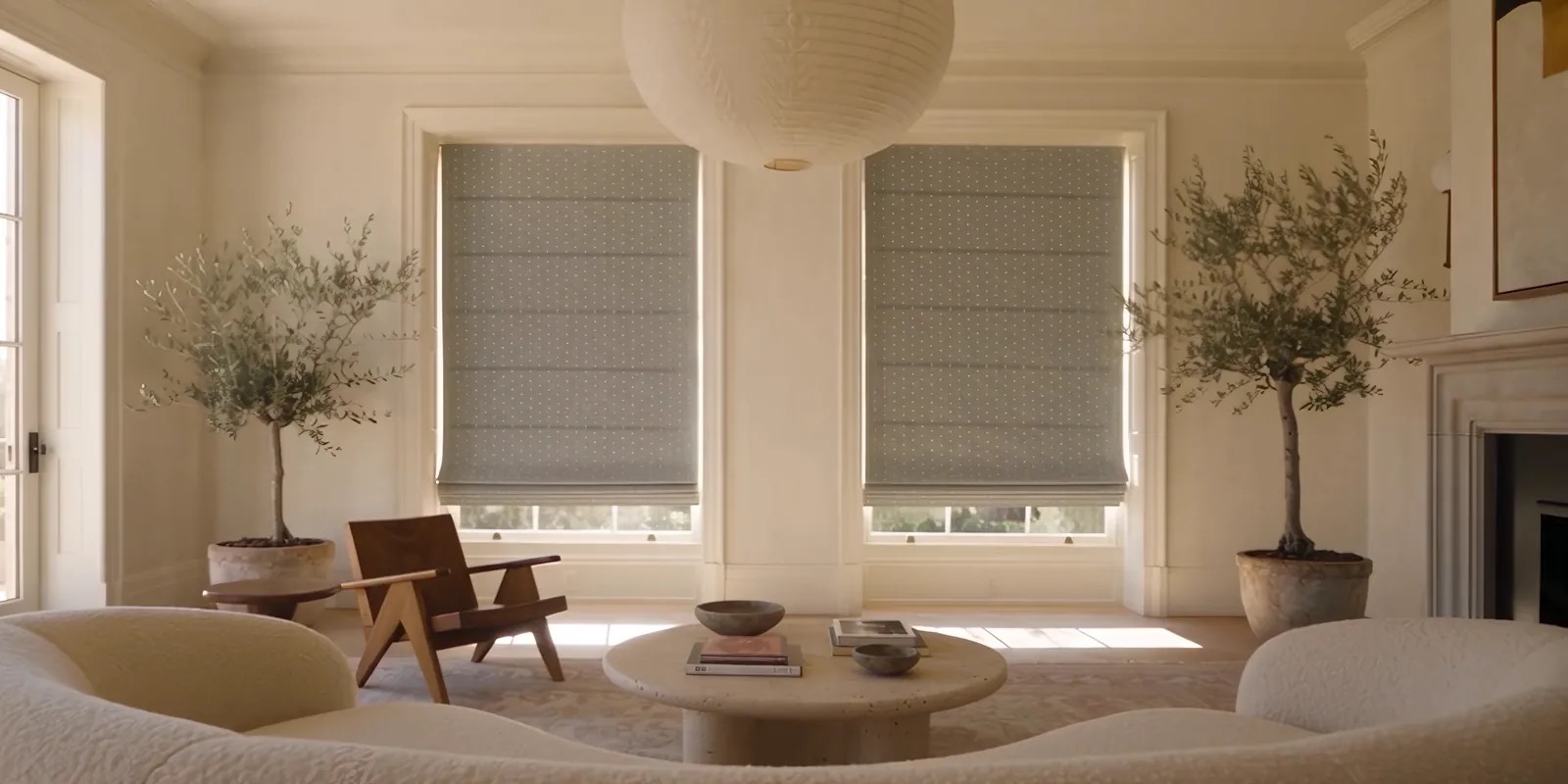
The Shadery makes motorized Roman shades with interchangeable fabric. Each shade has two parts, a motorized console that mounts at the window and a fabric panel that hangs from it. Because the two are separate, customers can change the fabric on an installed shade for a redecoration, a new season or a move without replacing or reinstalling the hardware. The console is the same on every shade and adjusts to fit windows from 24 to 60 inches wide. It runs on a rechargeable battery that charges over USB-C, so installation takes a few minutes and doesn’t require wiring or an electrician. The shades connect to Apple Home, Google Home and Amazon Alexa through Matter over Thread, with no separate hub or subscription, and they can be controlled with our remote. The fabric is made to order for each window’s width and length. Our launch collection includes 11 solids and nine prints in 40 colorways, and we plan to release new prints each season and begin collaborations with artists and designers in 2027. A complete shade starts at $699, and replacement fabric starts at $349.
What inspired the start of The Shadery?
 It started with my own house. When I was buying shades, I had to choose between something I liked looking at and something that worked with the rest of my home, and whichever I picked, I was stuck with it. A few years after we moved in, one of our shades stopped working, and because the order had gone through our designer, getting it fixed meant reaching out to someone I hadn’t worked with in four years. I’d spent a decade in leadership roles at consumer brands like Glossier and Daily Harvest, where the whole experience is built around the customer, from the product to the packaging to what happens when something goes wrong. Windows felt like one of the last things in the home that still worked the old way. The fabric is the part people care about, and there was no good reason it had to be permanently attached to the hardware. That idea became The Shadery.
How is The Shadery different?
Shoppers have usually had to choose between a shade that looks beautiful and one that is motorized and smart, and once a shade goes up, it rarely changes. We spent two years engineering our own hardware so customers don’t have to give up either. Because the fabric and the hardware are separate, a Shadery shade can change with the room. You can choose a bolder print knowing you aren’t locked into it for a decade, and the hardware can go with you to a new window or a new home. Installation takes minutes with no wiring, and the shades work with whatever smart home system you already have, or with none at all with the remote. For interior designers, we built a trade program around how projects actually run, with a dedicated account manager, swatches for active projects and orders scheduled around each install date.
What market does The Shadery target and how big is it?
We’re focused on homeowners who care about how their home looks and want it to work smarter, and on the interior designers who specify window treatments for their clients. Window coverings were a $34.5 billion global market in 2023, according to Grand View Research, which projects the category will reach about $60 billion by 2030. North America is the largest region, at roughly 39% of global revenue, and automated window coverings are expected to grow faster than the market overall as smart home adoption rises. We also think we can grow the category. The appetite for motorization and smart home connectivity for window coverings is on the rise and driving the sector’s growth projections. Plenty of people would never replace a full set of shades just to redecorate, but they will change the fabric when it costs about half as much and takes a few minutes.
What’s your business model?
We sell direct to consumers at theshadery.com and to interior designers through our trade program, which includes a 15% trade discount. A complete shade starts at $699. After that, customers keep the hardware and come back for fabric, which starts at $349, for a new season, a redecoration or a move. That return fabric purchase is a unique approach in the category and allows The Shadery to lean into seasonal prints and, beginning in 2027, collaborations with artists and designers. Every shade is made to order, so we produce what customers buy rather than holding large amounts of finished inventory. For many customers, the first purchase is our Welcome Kit, which includes swatches, a measuring tape and guidance on choosing shades for a room.
How are you preparing for a potential economic slowdown?
We built the business to be capital efficient from the start. Made-to-order production means we only make what customers buy. The product also suits a more cautious shopper. Refreshing a room with new fabric costs about half as much as a new shade, and the hardware stays with you if you move, so it’s a purchase that keeps its value.
What was the funding process like?
Lerer Hippeau led our seed round, and have been excellent partners since day one. Investors really resonated with the problem we were trying to solve. So many had their own first-hand experiences with the window category that left them searching for better alternatives. The process came to life once we put our working hardware, real fabric and the brand in front of people. Watching a shade go up and change fabric explains the idea faster than any slide.
What are the biggest challenges that you faced while raising capital?
Hardware. Investors are right to be cautious about consumer electronics. Pairing custom hardware with made-to-order fabric adds complexity on both sides of the product. We also had to show that a team from outside the window treatment industry could build a brand designers would respect. Seeing the product and the brand together answered a lot of those questions.
What factors about your business led your investors to write the check?
I think it came down to a few things. The first is the category: window coverings are a large market where the experience hasn’t changed much, and smart home adoption is pulling it forward. The second is the model, since separating the fabric from the hardware gives customers a reason to come back and made-to-order production keeps us lean. The third is the product itself. Several investors told us that what they liked most was how easy it is to install. And our team has built and scaled consumer brands before, so they trusted us to build the brand as well as the technology.
What are the milestones you plan to achieve in the next six months?
We opened to the design trade and, by invitation, to consumers on November 9. Over the next six months, our priorities are delivering our first shades to customers, opening our waitlist more broadly to consumers in early 2027, adding customers’ own material (COM) to the trade program in early 2027, releasing our first seasonal prints, and offering professional installation for customers who would rather not do it themselves.
What advice can you offer companies in New York that do not have a fresh injection of capital in the bank?
Look hard at what you can build yourself before you go out to raise. A few years ago, a website like ours, a room preview tool or our internal systems would have taken a big team or a lot of capital. We’ve built much of that ourselves with AI, and it has changed how far a small team can get. Put your resources into proving that customers want what you make, because that proof makes every next conversation easier, whether it’s with a customer, a partner or an investor.
Where do you see the company going now over the near term?
The Roman shade is our first product, not our only one. We built the hardware as a platform, so in the near term we’re focused on proving the model with designers and our first customers, adding new prints each season and launching collaborations with artists and designers in 2027. Over time, we want to bring the same approach to more of the window, so it becomes something people design around the way they already do with every other surface in the home.
What’s your favorite fall destination in and around the city?
Nothing beats being anywhere in city in the fall. There’s something magical about the crisp weather and the changing seasons. It feels just right, and it’s always over too soon. I’m so grateful we got such a beautiful fall this year.